
Premier Functional Medicine
Struggling with neuropathy after chemo? Functional medicine can support nerve health and accelerate your recovery. Learn more.
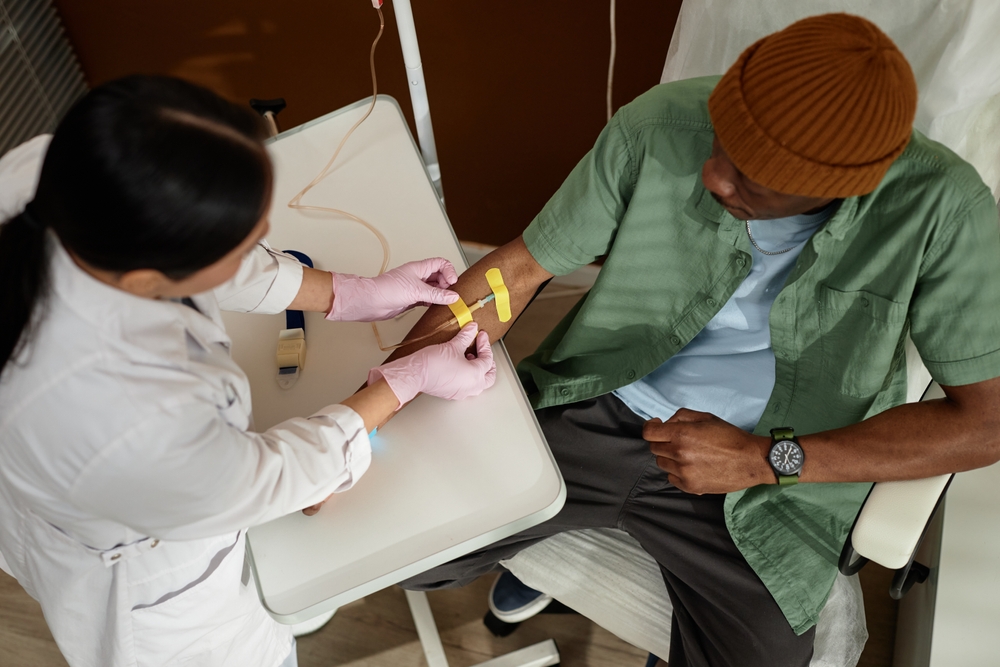
Chemotherapy can be life-saving, but it often comes with lasting side effects that impact quality of life long after treatment ends. One of the most common and frustrating conditions is chemotherapy-induced peripheral neuropathy (CIPN), a condition that affects the nerves and can lead to pain, numbness, and weakness.
If you’re asking how long neuropathy lasts after chemo, you’re not alone. Many patients expect symptoms to fade quickly once treatment ends, only to find that nerve issues linger or even worsen for a period of time.
At Premier Health of Summit, NJ, the focus is on helping patients understand why neuropathy happens and what can be done to restore nerve health at the root.
To understand neuropathy, we first need to look at what chemotherapy actually does to the body.
Chemotherapy drugs are designed to target rapidly dividing cells, which is effective against cancer. But this approach is not selective. Healthy cells, including those in your immune system and nervous system, can also be affected.
Chemotherapy significantly suppresses the immune system. It reduces white blood cell production, weakens immune signaling, and increases inflammation. Chronic inflammation after treatment can continue irritating nerve pathways, preventing full recovery.
Certain chemotherapy agents are particularly toxic to nerves. These drugs can:
This type of damage primarily affects the peripheral nervous system, which is responsible for sensation and movement throughout the body.
Chemotherapy-induced neuropathy typically follows a “stocking-glove” pattern, meaning it affects the extremities first.
Patients often describe:
These symptoms can make everyday activities like walking, typing, or even holding objects much more difficult.
There isn’t a one-size-fits-all answer, and that’s part of what makes neuropathy so challenging.
It’s also important to note that neuropathy can worsen temporarily after chemotherapy ends, a phenomenon known as “coasting,” where nerve damage continues to unfold before stabilizing.
Several factors influence how long neuropathy persists and how severe it becomes.
Some drugs are more neurotoxic than others. Platinum-based drugs, taxanes, and certain targeted therapies are commonly associated with longer-lasting nerve damage.
Higher cumulative doses and longer treatment durations increase the likelihood of more significant nerve injury.
Conditions like diabetes, autoimmune disorders, or prior nerve injuries can make nerves more vulnerable and slow recovery.
Deficiencies in key nutrients—such as B vitamins, magnesium, and antioxidants—can impair nerve repair and regeneration.
Persistent inflammation and immune dysregulation after chemotherapy can delay healing and perpetuate nerve irritation.
Early support for nerve health often leads to better outcomes. Waiting too long to address neuropathy can allow dysfunction to become more deeply ingrained.
So, how long does neuropathy last after chemo?
For many patients, symptoms improve gradually over several months. However, it’s not uncommon for neuropathy to last a year or longer—and in some cases, symptoms can persist indefinitely if the underlying damage is not addressed.
The key takeaway is this: neuropathy does not always resolve on its own, especially when deeper issues like inflammation, mitochondrial dysfunction, or nutrient depletion remain uncorrected. That’s where a more comprehensive, root-cause approach can make a meaningful difference.
At the clinic of Dr. Brian D. Anderson, neuropathy is not viewed as a standalone symptom. Instead, it’s understood as the result of multiple overlapping factors that must be addressed together.
Rather than assuming all neuropathy is the same, functional medicine uses advanced testing and clinical evaluation to uncover contributing factors such as:
This deeper understanding allows for a more targeted and effective treatment plan.
Chronic inflammation is one of the biggest barriers to nerve healing. Strategies may include:
Reducing oxidative stress helps protect existing nerve cells while creating an environment where healing can begin.
Nerves have the ability to regenerate, but they need the right conditions.
Care plans often include:
This phase is focused on restoring the structure and function of damaged nerves.
Neuropathy doesn’t just affect the nerves themselves—it impacts how the brain and body communicate.
A comprehensive plan may include:
This helps retrain the nervous system and improve overall function.
Because chemotherapy affects multiple systems, long-term recovery requires a whole-body approach.
This may involve:
By addressing the entire system, patients often experience improvements not only in neuropathy but in overall energy, resilience, and well-being.
One of the biggest misconceptions about chemo-related neuropathy is that you just have to live with it and hope it improves over time.
While some healing can occur naturally, many patients find that symptoms plateau without targeted support.
The good news is that nerve health can often be improved—even months or years after chemotherapy—when the right systems are addressed.
If you’re experiencing neuropathy symptoms that are not improving, pain or numbness that interferes with your daily life, balance issues or an increased risk of falls, or symptoms that continue to worsen even after chemotherapy has ended, it may be time to explore a more comprehensive approach to care.
These signs often indicate that the underlying nerve damage and systemic imbalances have not fully resolved on their own. Seeking support early can make a meaningful difference, not only in reducing discomfort but also in improving long-term nerve function and overall quality of life.
If you’re struggling with neuropathy after chemotherapy, you don’t have to navigate it alone. Dr. Brian D. Anderson in Summit, NJ, offers personalized, root-cause care designed to restore nerve function and improve quality of life.
This is not a one-size-fits-all approach. It’s a thoughtful, individualized process that looks at your full health picture and creates a plan tailored to your needs. If you’re ready to explore your options and take meaningful steps toward recovery, scheduling a consultation could be the next right move. Get started here.

